

Seeking therapy often begins with courage. For many people, the hardest step is not recognizing the need for support but finding a space where emotions can be expressed honestly without hesitation. Even individuals who speak English fluently may notice that when conversations become deeply personal, something feels missing. Words feel heavier, slower, or slightly disconnected from what they truly mean.
You can speak English perfectly well and still struggle to explain grief, anxiety, family tension, or identity in a second language. Emotional experiences are shaped by culture, memory, and lived experience. When therapy requires constant translation, sessions can feel more like work than relief. Instead of focusing on healing, energy goes into searching for the right words.
Working with a Spanish Speaking Therapist In NYC can remove this invisible barrier. Language-matched therapy does not promise instant solutions, but it can reduce stress, strengthen trust, and help therapy feel more natural from the very beginning. This guide explores how language and cultural understanding influence comfort in therapy, what changes when you no longer need to translate your emotions, and how to find care that truly feels supportive and human.
Why Therapy Can Feel Harder When You Are Not Speaking Your First Language
The translation tax in emotional conversations
Emotions rarely translate cleanly between languages. When someone explains sadness, guilt, or resentment in a second language, subtle meaning can disappear. Cultural expressions such as pena or vergüenza carry emotional layers shaped by upbringing and community expectations. Translating these experiences into English can dilute their depth or change their tone entirely.
Many clients describe feeling as though they must edit themselves before speaking. Instead of sharing feelings naturally, they pause to find equivalent words, reconsider phrasing, or worry about being misunderstood. Over time, this process slows therapy and can create emotional distance between what is felt and what is said. A Spanish Speaking Therapist In NYC helps reduce this translation burden so sessions focus on understanding rather than interpretation.
When stress rises, words get smaller.
Anxiety affects communication in any language. Under stress, memory recall becomes harder,r and emotional vocabulary narrows. When speaking in a second language, this challenge often intensifies. People may feel they sound less articulate or less serious than they actually are.
This experience can lead clients to minimize struggles or avoid complex topics altogether. Conversations may default to short responses such as “I’m fine,” even when significant distress exists beneath the surface. Therapy works best when communication feels effortless, and language comfort allows thoughts to flow without pressure or self-judgment.
The quiet fear of being misunderstood
Therapy depends on precision and emotional safety, not performance. When clients fear misinterpretation, honesty naturally decreases. They may hesitate before discussing family conflict, trauma, or vulnerability because explaining context feels exhausting.
Wanting therapy in your preferred language is not demanding or overly selective. It reflects a basic need for clarity and emotional security. Choosing a Spanish Speaking Therapist In NYC validates that comfort and supports a stronger therapeutic connection from the start.
What Changes When You Work With A Spanish Speaking Therapist In NYC
Speaking in the language your nervous system trusts
First languages often feel instinctive and grounding. Memories, humor, affection, and emotional tone emerge more easily when spoken in the language learned during formative years. Clients frequently notice that vulnerability feels softer and less forced when speaking Spanish.
Language alignment does not eliminate challenges, but it removes a significant obstacle. Without translation, emotional access becomes quicker, and conversations feel more authentic. Working with a Spanish Speaking Therapist In NYC allows sessions to unfold with greater emotional continuity.
Cultural context becomes part of the story.
Mental health experiences do not exist separately from culture. Family roles, immigration experiences, faith traditions, and community expectations influence how stress and emotional pain appear. Themes such as loyalty, privacy, responsibility, and the unspoken rule of no se habla de eso often shape how individuals approach vulnerability.
Culturally attuned therapy reduces the need to explain background details repeatedly. A therapist familiar with these dynamics understands how identity intersects with emotional well-being without stereotyping or making assumptions. This shared understanding helps clients move directly into meaningful therapeutic work.
Less explaining and more healing work
When language and culture are understood, sessions spend less time clarifying meaning and more time exploring solutions and emotional patterns. Humor, tenderness, and culturally familiar expressions can emerge naturally.
Clients often experience relief when feelings are reflected in ways that sound emotionally accurate. Being understood in tone as well as content allows therapy to feel collaborative rather than instructional. A Spanish Speaking Therapist In NYC creates space for deeper emotional processing instead of constant explanation.
Comfort Is Not Only Language But How You Are Treated
The difference between speaking Spanish and working clinically in Spanish
Not every bilingual clinician provides therapy comfortably in Spanish. Conversational fluency differs from clinical fluency. Effective therapy requires the ability to recognize emotional nuance, explain therapeutic approaches clearly, and navigate difficult conversations with confidence.
A strong indicator of clinical comfort is whether a therapist can describe boundaries, treatment approaches, and expectations fully in Spanish. Clients should feel guided rather than accommodated. Choosing a Spanish Speaking Therapist In NYC means looking for professionals who conduct therapy naturally in Spanish, not occasionally.
Warmth, respect, and pace create safety.
Feeling safe in therapy often begins during intake. Respectful care includes time to ask questions, clarity about the process, and a calm pace that does not rush disclosure. Many individuals seeking therapy have previously felt dismissed or misunderstood in healthcare settings.
At New Leaf Counseling NYC, honesty, respect, and cooperation guide every interaction. Our human approach centers on listening first and allowing clients to move at their own rhythm. Emotional safety grows when individuals feel genuinely welcomed rather than evaluated.
Feeling seen from the first contact
Support should begin before the first session. Assistance with scheduling, insurance questions, and therapist matching reduces overwhelm and encourages accessibility. Mental health care should never feel confusing or exclusive.
You should not have to figure everything out alone before starting therapy. A Spanish Speaking Therapist In NYC becomes part of a supportive process that acknowledges therapy as a right rather than a privilege.
Topics That May Feel Easier To Explore In Spanish
Family dynamics and roles you did not choose
Many individuals carry responsibilities shaped by family expectations. Being the strong one, the mediator, or the translator between generations can create emotional fatigue. Feelings of love, obligation, and guilt often coexist in complex ways.
Discussing boundaries, caregiving stress, or long-standing family conflict may feel more natural in Spanish because emotional meaning aligns closely with lived experience. Therapy provides space to examine these patterns without blaming culture or family identity.
Identity, belonging, and living between worlds
People navigating multiple cultural environments may experience pressure to adapt constantly. Code switching between languages and expectations can create internal tension. Questions of belonging often intersect with race, gender identity, sexuality, or faith.
A diverse clinical team helps clients feel welcomed across identities and backgrounds. Working with a Spanish Speaking Therapist In NYC allows identity exploration to occur in an environment grounded in respect and cultural awareness.
Anxiety, depression, stress, and trauma without proof
Mental health symptoms frequently appear physically through sleep disruption, irritability, appetite changes, or chronic tension. Trauma-informed therapy recognizes that healing occurs gradually and at a pace chosen by the client.
Therapy supports growth and understanding, but ethical care avoids promises of guaranteed outcomes. Instead, clinicians focus on building safety, resilience, and emotional insight over time.
What To Expect In The First One To Three Sessions
Building safety before depth
Initial sessions typically focus on understanding concerns, personal history, and current goals rather than deep emotional exploration. Clients are encouraged to share only what feels comfortable.
Confidentiality is explained in clear language, including standard safety-related limits designed to protect well-being. Establishing trust early helps therapy progress naturally. Meeting with a Spanish Speaking Therapist In NYC often allows this foundation to form more quickly.
Goals that reflect real life
Therapy goals often sound practical rather than clinical. Individuals may want calmer emotional reactions, improved communication, relief from intrusive thoughts, or support in processing grief or relationship pain. These goals evolve as understanding deepens.
Therapy remains collaborative, with clients actively shaping direction and pace alongside their therapist.
Evaluating therapist fit
Early sessions also allow clients to assess the connection. Feeling listened to, respected, and unhurried matters. Asking how sessions typically work or how progress is measured is encouraged.
A thoughtful match can prevent frustration and help therapy feel sustainable. Choosing a Spanish Speaking Therapist In NYC increases the likelihood of emotional alignment from the beginning.
How To Choose The Right Spanish-speaking Therapist Without Overthinking It
Criteria that truly matter
The most important factor is emotional comfort. Clients should feel respected and safe expressing themselves fully in Spanish while receiving clear guidance. Therapists may use approaches such as talk therapy, cognitive behavioral therapy, trauma-informed care, or couples counseling, but explanations should remain understandable.
Practical considerations such as scheduling flexibility, telehealth options, and assistance in navigating insurance also influence long-term consistency.
Questions worth asking
During consultations, clients may ask whether therapy is conducted primarily in Spanish, what concerns the therapist commonly supports, and how goals are established. Understanding what sessions look like and how to address feeling stuck can provide reassurance.
Working with a Spanish Speaking Therapist In NYC should feel transparent rather than uncertain.
Red and yellow flags
Dismissal of language preference or pressure to switch languages represents a clear concern. Cultural assumptions or unclear information about costs and boundaries may signal misalignment.
It is acceptable to continue searching until therapy feels like the right fit. Comfort and trust are essential components of effective care.
Common Mistakes To Avoid When Starting Therapy In Spanish
Waiting until the crisis
Many people delay therapy, believing they must handle struggles independently first. Seeking support early is not a weakness but prevention. Emotional care becomes more effective when challenges are addressed before reaching crisis levels.
Choosing based only on availability
Busy schedules in New York City can create urgency, yet therapist fit still matters. Starting with an available consultation while keeping additional options open can balance practicality with long-term success.
Avoiding the real topic
Clients sometimes hesitate to discuss sensitive subjects out of politeness or fear. Naming difficult experiences often becomes easier when spoken in Spanish. A warm therapist supports gradual disclosure without pressure, helping conversations unfold naturally with a Spanish Speaking Therapist In NYC.
Conclusion
Therapy should feel like a place where you can exhale rather than perform. When language aligns with emotional experience, honesty becomes easier, and conversations gain clarity. Cultural understanding further strengthens the connection, allowing therapy to focus on healing instead of translation.
Choosing a Spanish Speaking Therapist In NYC can make therapy feel more comfortable, precise, and emotionally supportive. Language-matched care helps clients express vulnerability naturally while building trust at their own pace.
If you are looking for support that feels respectful, culturally attuned, and truly welcoming, we are here. At New Leaf Mental Health Counseling, we will help you find a clinician who feels like the right fit so you can start therapy with less stress and more comfort. Our team believes mental health care is a right, not a privilege, and we strive to ensure every person feels heard, understood, and supported from the very first contact.
FAQs About Spanish Speaking Therapy In NYC
Do I have to speak only Spanish in sessions?
No. Many clients move naturally between languages. Sessions can adapt to what feels comfortable moment by moment.
What if I am bilingual but emotional topics feel easier in Spanish?
This is very common. Emotional memory often connects more strongly to a first language, allowing greater accuracy and depth.
Can couples or family therapy be done in Spanish?
Yes, depending on provider availability. Shared language can improve communication when family members have different comfort levels in English.
Is telehealth available for Spanish-speaking therapy?
Telehealth offers flexibility and eliminates commuting stress. Creating a quiet and private space at home helps maintain confidentiality and focus.
How do I know if a practice is culturally responsive?
Look for respectful communication, diverse clinicians, and clear commitment to culturally attuned care demonstrated through listening and collaboration rather than labels alone.
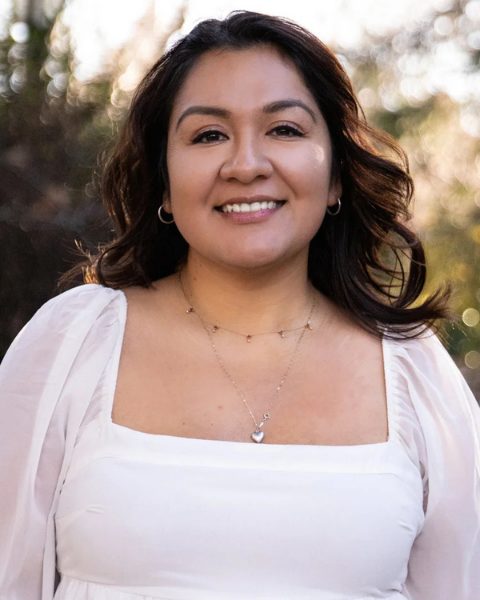
Laura Rodriguez is a dedicated Licensed Mental Health Counselor (LMHC) and the Director of New Leaf Counseling NYC, a culturally responsive, trauma‑informed therapy practice serving individuals, couples, and families in New York City. With a deep belief in the power of human connection and resilience, Laura has committed her career to helping clients navigate anxiety, trauma, relationship challenges, and emotional growth.
Laura earned her bachelor’s degree in psychology from Pace University and her Master’s in Counseling from The City College of New York. She has extensive experience working in community‑based settings, eating disorder clinics, psychiatric emergency services, and group practices, giving her a broad foundation in supporting diverse and underserved populations.
Grounded in psychodynamic theory and enriched with tools from CBT, DBT, trauma‑informed care, and inner‑child healing, Laura’s therapeutic approach is compassionate, individualized, and collaborative. She helps clients not only address present challenges but also understand underlying patterns and develop practical tools for long‑term well‑being.